Who I am
A vulnerability-management practitioner who builds — happiest in a terminal, chasing
a problem until the solution is simple and holds up.
I'm Elliot. I spent the last year on a vulnerability-management team in a hospital system — HIPAA,
ePHI, real SLA clocks, and findings that had to reach the right owner before they aged out. Everything
on this site came out of that seat: I kept hitting gaps no product filled, so I built what the job was
asking for. I came up the formal way — a summa cum laude cyber degree, Security+, CEH — but I learn
fastest by building, and I validate everything against the source instead of taking it on faith. I get
genuinely obsessed with a hard problem: I'll rough out three approaches, throw two away, and keep
refining until what's left is simple, honest, and holds up under its own edge cases.
I hold several threads at once by habit — carrying contingencies for the failure that hasn't
happened yet while keeping a clear line to the outcome I'm steering toward. It's why I'm drawn to the
problems nobody has mapped, and why the next two moves are usually ready before the current one lands.
How I think:
- I reason in systems, several moves out. Before I commit, I trace how a thing
works, the problem it truly solves, and the value it creates downstream — and how completely I can
model that path is my read on whether it's worth building.
- I validate by inversion. Rather than ask how something will work, I look for the
one reason it won't — a single unmet failure mode outweighs a hundred arguments in its favor. And I
treat a self-inflicted failure as evidence, not a wall to run at twice; repeating it and expecting a
different result is just the wrong kind of persistence.
- Leverage, with the receipts. The bottleneck was never typing — it's knowing
exactly what to build, and being able to tell when what comes back is wrong. I hold the architecture,
the threat model, and the review, and I use AI tooling and my own local models the way a senior
engineer uses a team: on work I've already specified. The judgment is the part that doesn't delegate.
I traced the cross-thread deadlock that froze a signing ceremony, cut the dashboard's per-update cost
from ~235 ms to ~8 ms, and attacked my own signature five ways trying to break it — that
work doesn't come from a prompt.
- I optimize across horizons. I weigh what compounds over time against what moves
the needle today, and sequence the work so the durable bet and the immediate win stop being a
trade-off.
Where I'm strongest:
- Vision, end to end. I don't stop at naming the problem or the gap — I see the
solution, and the bridge that closes the distance to it, then reduce that path to something buildable
and deliver it. Conception, architecture, execution: I carry an idea across all three, because one that
never ships is just an opinion.
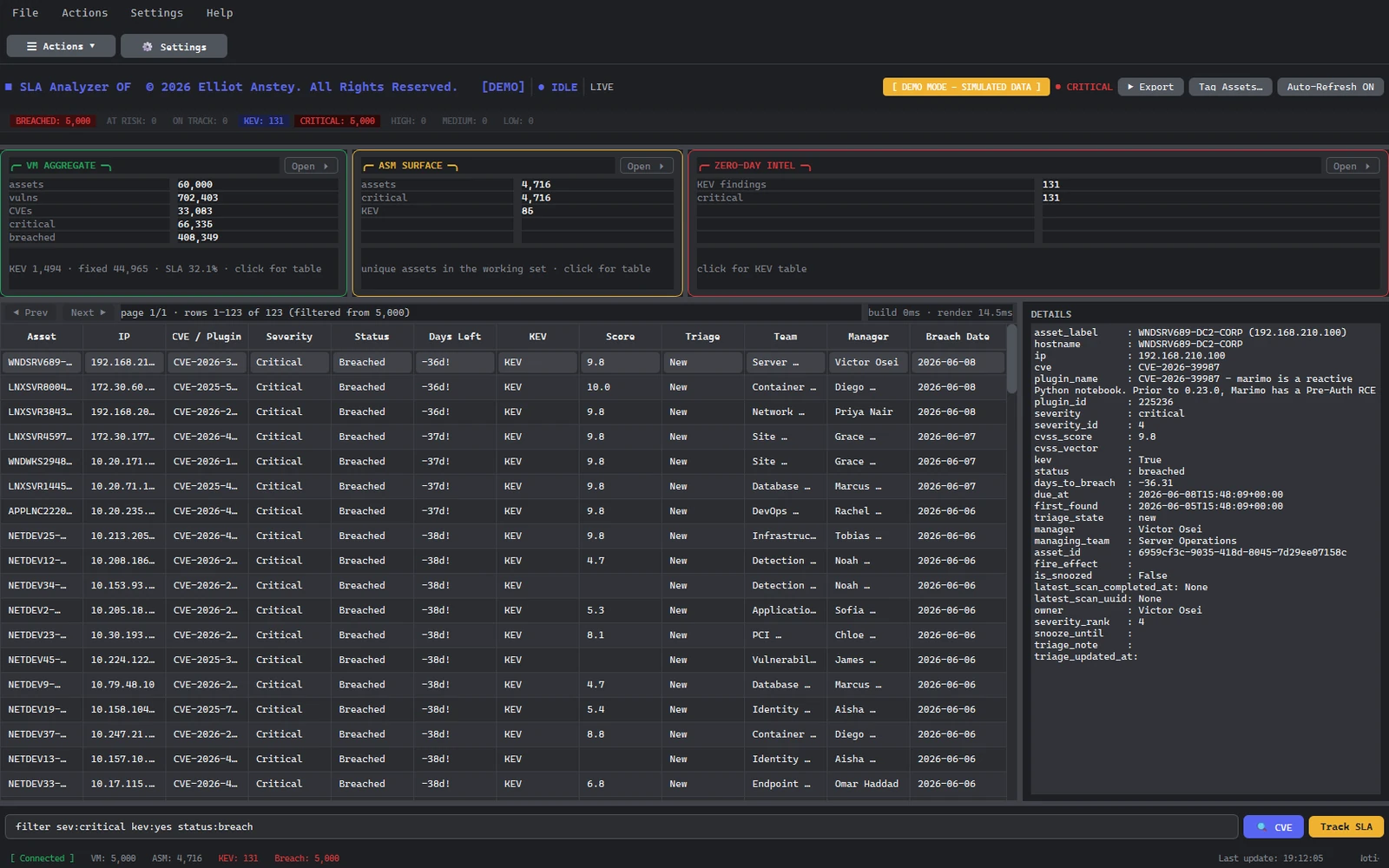
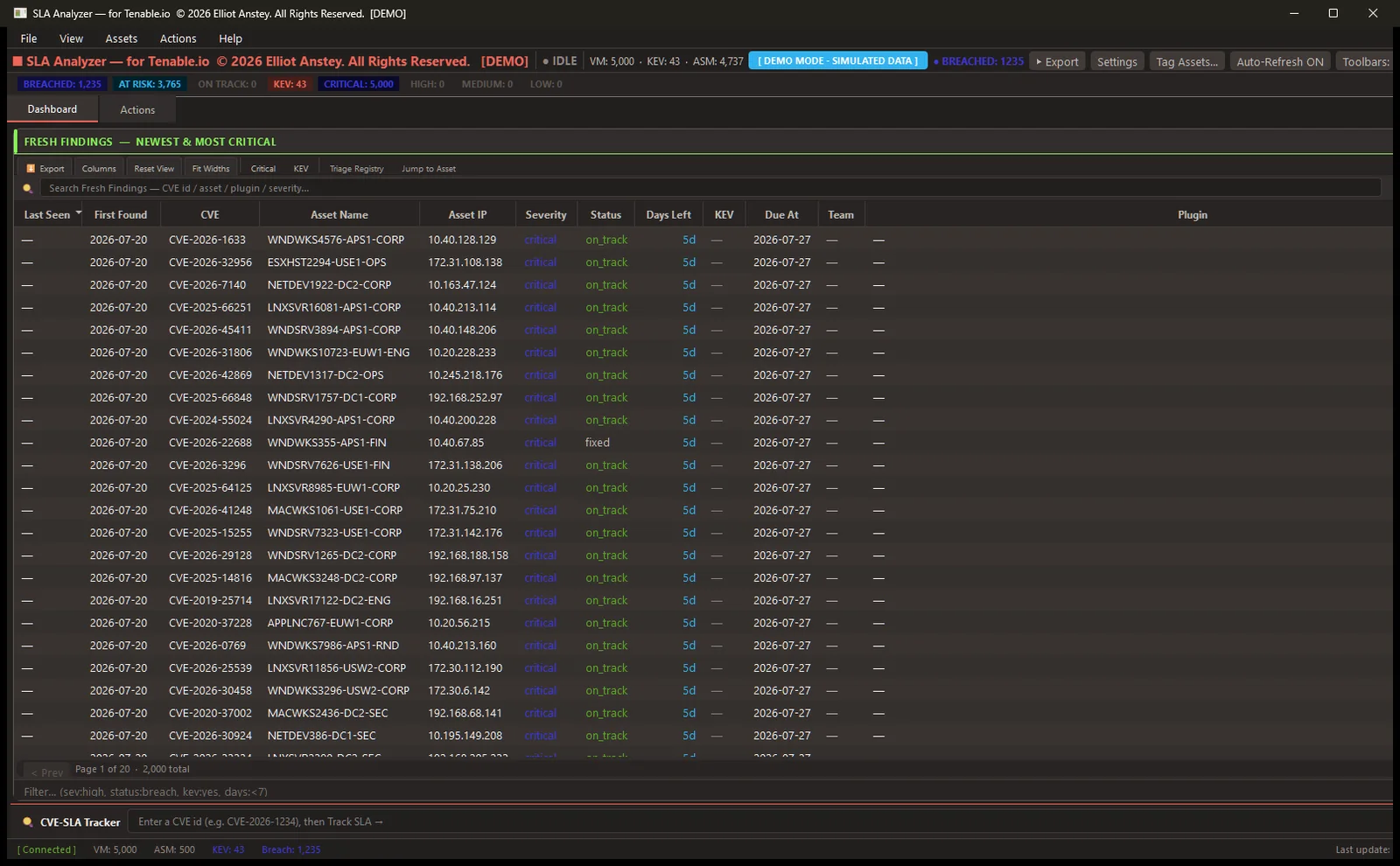
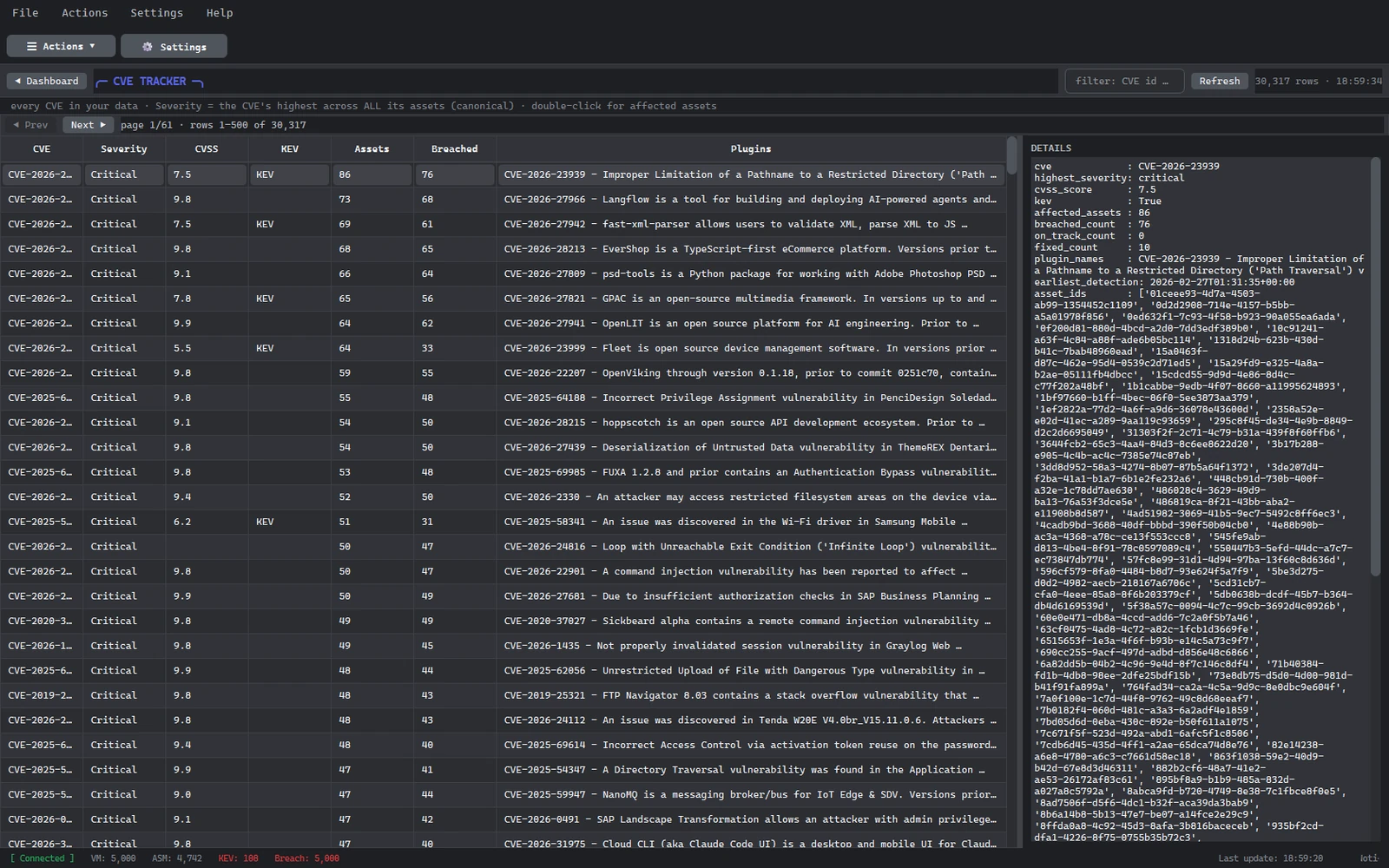
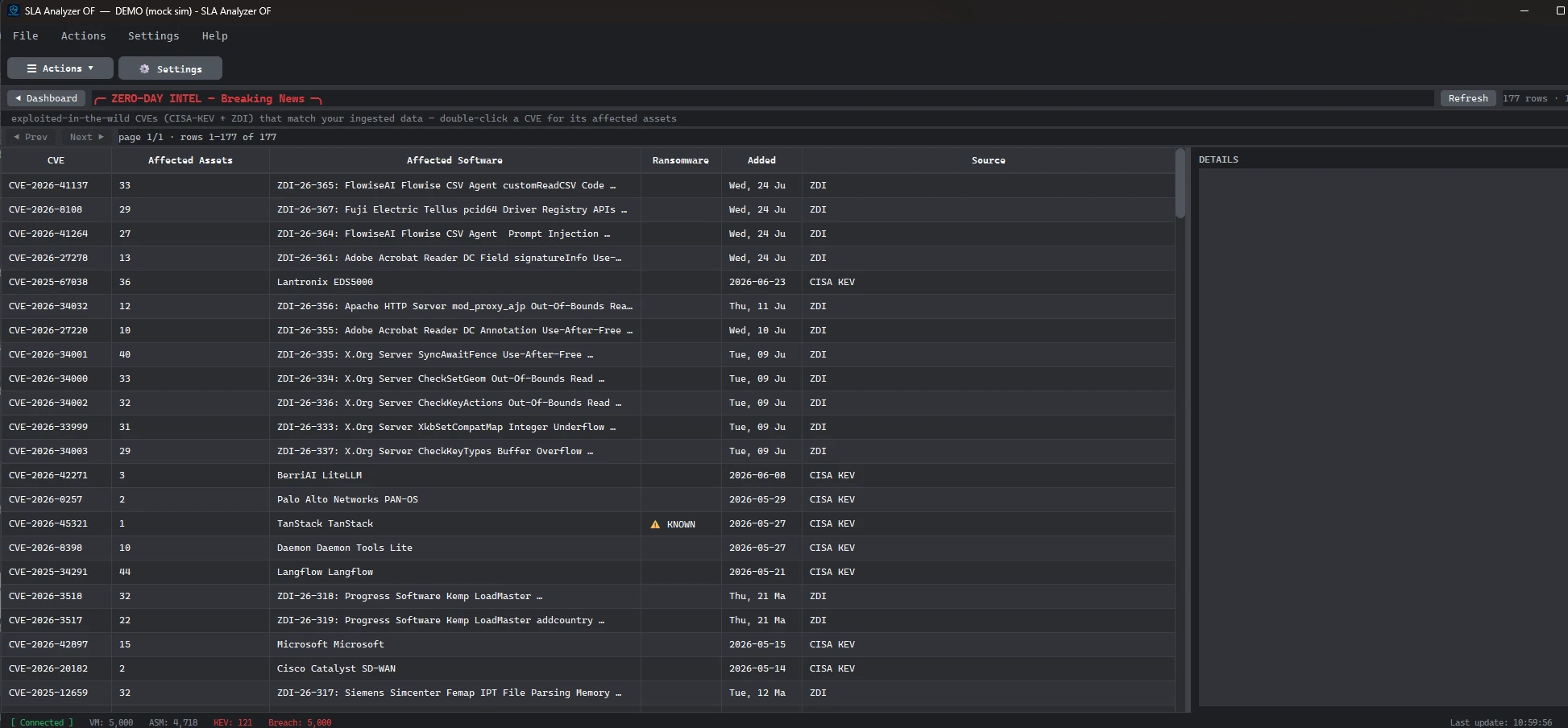
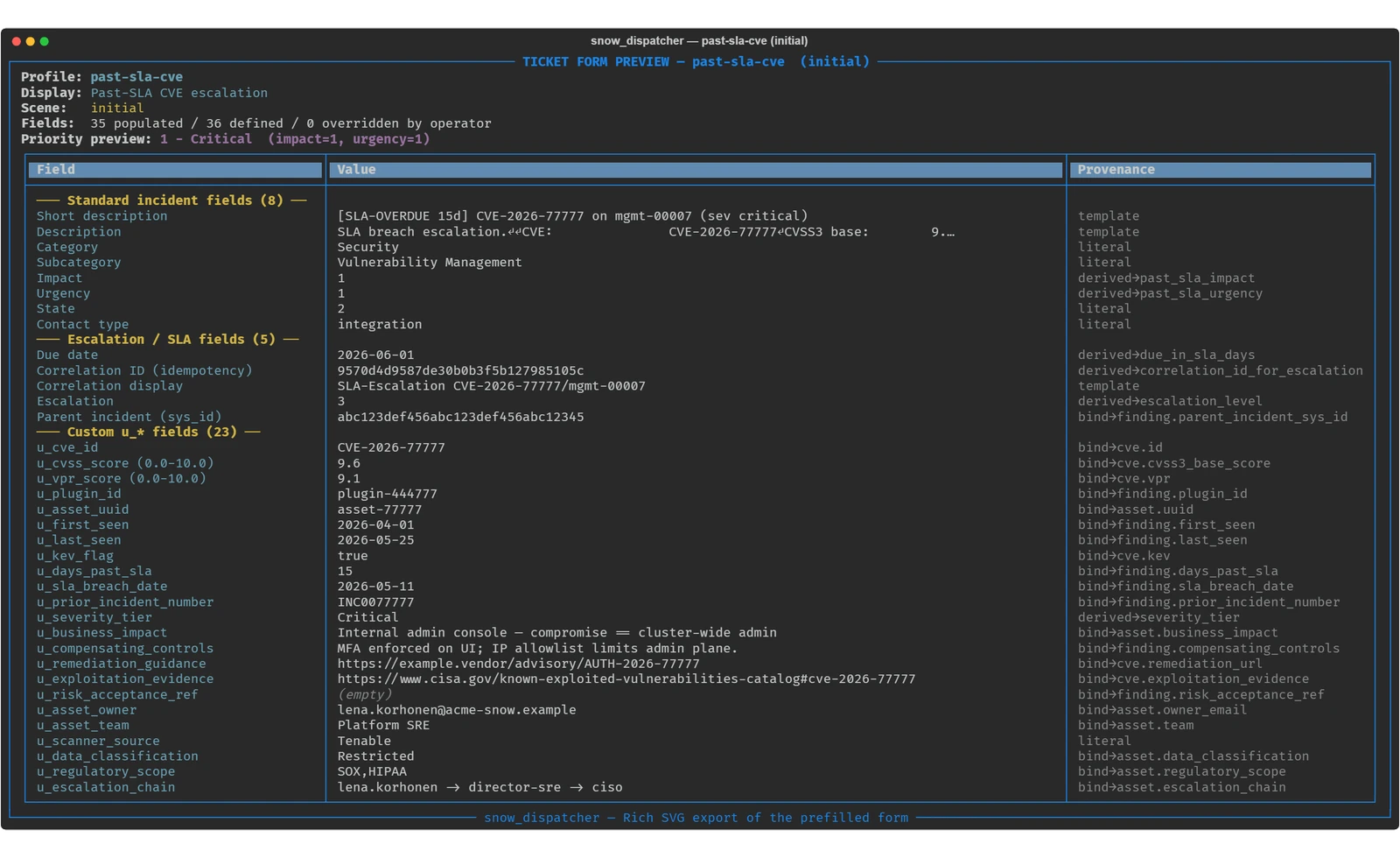
- Vulnerability management. Tenable.io operations, SLA policy design, KEV/NVD-driven
prioritization, and getting the right finding to the right owner before it breaches.
- Security tooling & software engineering. Python desktop apps in PyQt6 and
Textual, pipelines that stay responsive on multi-million-record datasets, and the crypto and audit
layers that make their output trustworthy.
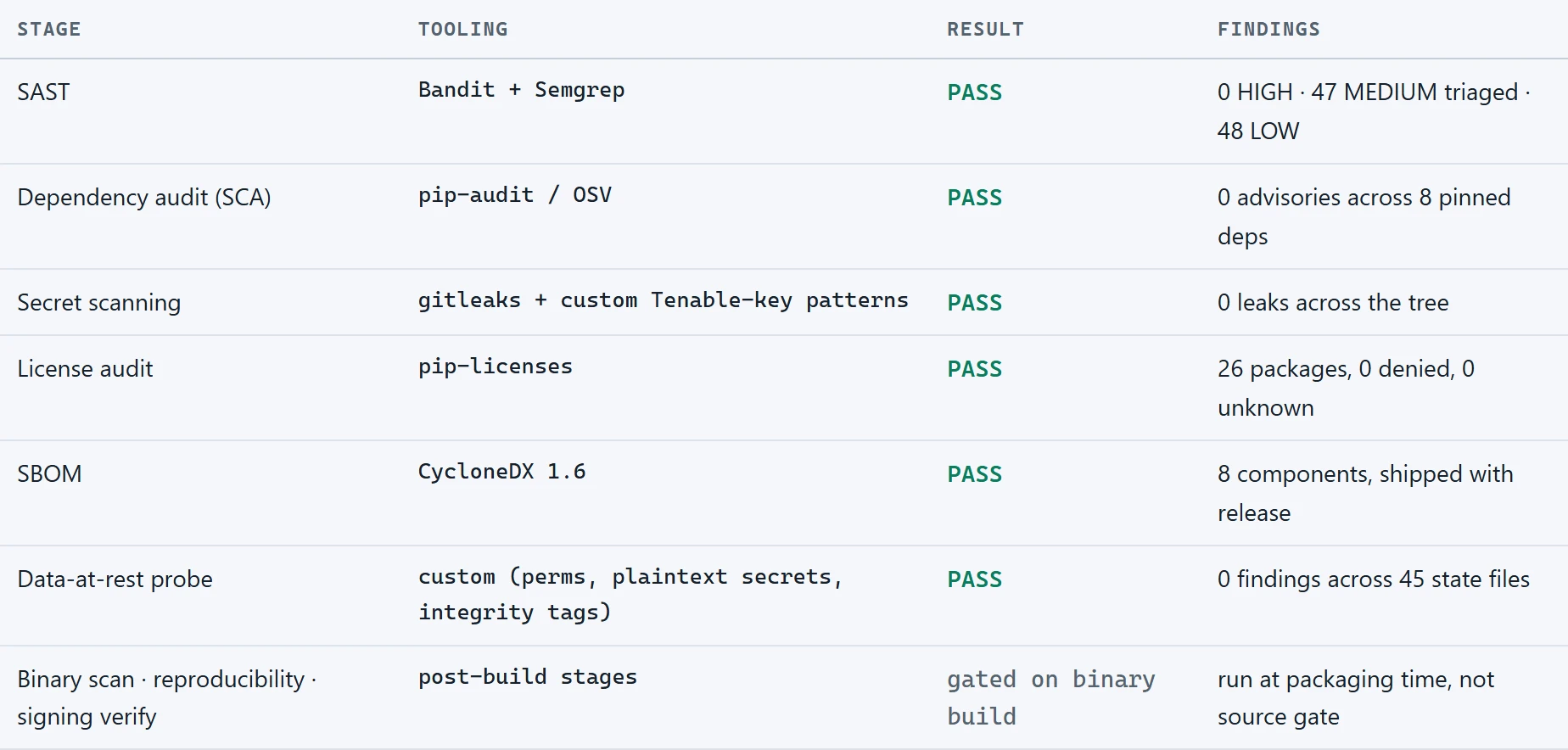
- Secure SDLC & release engineering. Static analysis, secret and dependency
scanning, code signing, packaging, and Store certification — wired into one repeatable gate a release
has to pass.
- Life in the terminal. The shell, scripting, and automation are my default tools.
If I'm going to do a thing twice, I'd rather write the small program that does it a thousand times.
Underneath it all is a genuine love of the craft — the discovery, the learning, the building — which is why the work spills
across security, local AI, and infrastructure alike. More on my background, certifications, and working
principles on the about page.